
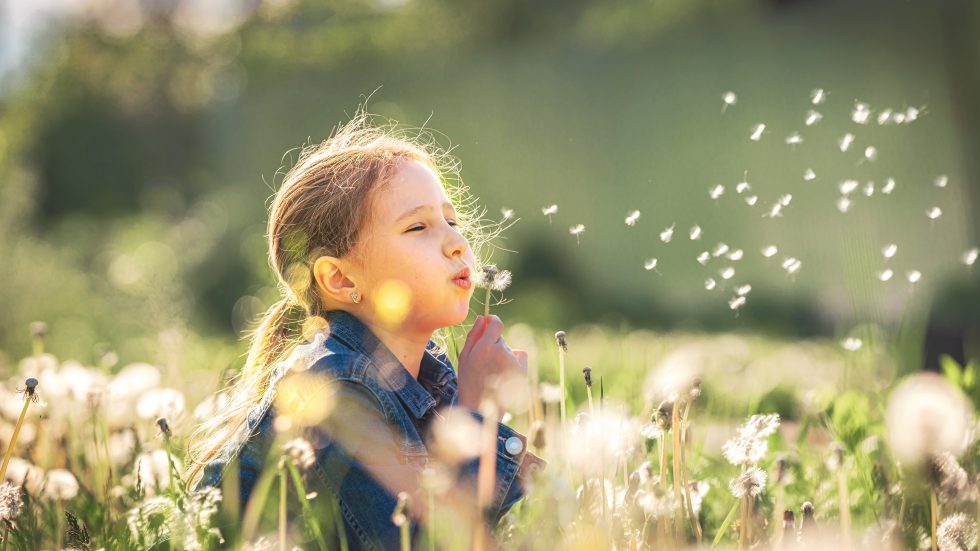
If you reside in the Phoenix metro area, you know that while much of the country is still buried in snow, Arizona’s trees begin to bloom. By late February, pollen counts start climbing, and by March, allergy season is in full swing.
For families new to Arizona or those with young children experiencing their first allergy season, this early timeline can be confusing. Kids start sneezing, rubbing their eyes, and developing persistent runny noses, and parents wonder if it’s a lingering cold, the dry desert air, or something else entirely.
At Mercy Grace Private Practice, we see a noticeable increase in allergy-related visits starting in late winter and continuing through spring. The good news? January is actually the perfect time to prepare. By understanding what triggers Arizona allergies, recognizing the signs, and taking preventive steps now, you can help your child navigate allergy season with fewer symptoms and less disruption.
Here’s what Gilbert parents need to know about desert allergies in children.
Why Arizona’s Allergy Season Starts So Early
Unlike much of the United States, where spring allergies peak in April and May, Arizona’s mild winter allows plants to pollinate much earlier. While other regions are still experiencing freezing temperatures, our desert climate supports tree and grass growth almost year-round.
Arizona Allergy Timeline
- Late January – February: Early tree pollen begins (ash, elm, mulberry)
- February – April: Peak tree pollen season (olive, mesquite, mulberry, cypress, juniper)
- March – May: Grass pollen increases (Bermuda grass is a major trigger)
- Late summer – Fall: Ragweed and other weed pollen
The result? Arizona children can experience allergy symptoms for much longer periods than kids in other states, sometimes stretching across 6–8 months of the year.
Common Desert Allergens That Affect Kids
Understanding what is triggering your child’s symptoms can help you anticipate and manage them more effectively.
Tree Pollen (February – April)
- Mulberry trees: One of the most common allergens in the Phoenix area, often planted in older neighborhoods
- Olive trees: Extremely allergenic, widespread in landscaping throughout Gilbert and Mesa
- Ash trees: Common in parks and residential areas
- Mesquite trees: Native desert tree, produces heavy pollen in spring
- Palo verde trees: Arizona’s state tree, blooms in late spring
- Cypress and juniper: Evergreen trees that pollinate in late winter
Grass Pollen (March – May, August – October)
- Bermuda grass: The primary grass allergen in Arizona, used in most lawns and parks
Weed Pollen (Late Summer – Fall)
- Ragweed: Blooms in late summer and fall
- Sagebrush and tumbleweed: Common in undeveloped desert areas
Year-Round Triggers
- Dust and dust mites: Always present in Arizona’s dry climate
- Mold: Can grow in air conditioning units and evaporative coolers
How to Tell If Your Child Has Allergies (Not Just a Cold)
It’s easy to mistake seasonal allergies for a persistent cold, especially in young children who may not be able to describe how they feel. Here’s how to tell the difference:
Signs It’s Likely Allergies:
- Symptoms last more than 10–14 days
- Clear, watery nasal drainage (not thick or discolored)
- Itchy, watery eyes
- Frequent sneezing, especially in the morning or after being outside
- Rubbing eyes or nose repeatedly
- Dark circles under the eyes (“allergic shiners”)
- Nasal congestion that improves indoors with air conditioning
- No fever
Signs It’s Likely a Cold or Infection:
- Symptoms resolve within 7–10 days
- Thick, yellow or green nasal discharge
- Fever
- Body aches or fatigue
- Sore throat (though allergies can cause mild throat irritation from post-nasal drip)
If you’re unsure, your pediatrician can help determine whether symptoms are related to allergies, a virus, or another condition.
Preparing Your Child for Allergy Season in January
The best time to address allergies is before symptoms start. Taking preventive steps now can significantly reduce the severity of your child’s symptoms when pollen counts rise in February and March.
1. Schedule a Pediatric Visit for Allergy Assessment
If your child has had allergy symptoms in previous years, or if you suspect they may be sensitive to pollen, schedule a visit with your pediatrician in January or early February.
What to discuss:
- Family history of allergies or asthma
- Previous symptoms and patterns
- Whether allergy testing might be helpful
- Preventive medication options (starting these before symptoms begin is most effective)
For some children, starting a daily antihistamine or nasal spray a few weeks before peak pollen season can prevent symptoms from developing at all.
2. Understand Allergy Medication Options
There are several types of allergy medications, and knowing which works best for your child can make a big difference.
Common options include:
- Antihistamines (loratadine, cetirizine, fexofenadine): Reduce sneezing, itching, runny nose
- Nasal corticosteroid sprays (fluticasone): Reduce inflammation and congestion, very effective for persistent symptoms
- Saline nasal rinses: Help clear pollen from nasal passages, safe for all ages
- Eye drops: Relieve itchy, watery eyes
Work with your pediatrician to determine the safest and most effective option for your child’s age and symptoms.
3. Monitor Pollen Counts
Arizona has several resources that track daily pollen levels. Knowing when counts are high can help you plan outdoor activities and take extra precautions.
Tips:
- Check local pollen forecasts (many weather apps include this)
- Keep windows closed on high pollen days
- Plan outdoor play for late afternoon or after rain, when pollen counts are lower
4. Create an Allergy-Friendly Home Environment
Reducing indoor allergens can help your child’s body manage outdoor pollen exposure more effectively.
Simple changes:
- Use air conditioning instead of opening windows during pollen season
- Replace HVAC filters regularly (every 1–2 months)
- Wash bedding weekly in hot water
- Bathe children before bed to remove pollen from hair and skin
- Keep pets out of bedrooms (pets carry pollen indoors on their fur)
- Use a HEPA air purifier in your child’s bedroom
5. Teach Kids to Minimize Pollen Exposure
Even young children can learn habits that reduce allergy symptoms.
Encourage:
- Washing hands and face after playing outside
- Changing clothes after outdoor play
- Not rubbing eyes (use a tissue instead)
- Keeping windows closed in the car
When to See Your Pediatrician About Allergies
Most childhood allergies can be managed with over-the-counter medications and environmental strategies. However, there are times when medical evaluation and treatment are necessary.
Contact your pediatrician if:
- Symptoms interfere with sleep or school performance
- Over-the-counter medications aren’t providing relief
- Your child develops frequent sinus infections or ear infections
- Breathing becomes difficult or wheezing occurs
- Symptoms persist year-round
- You’re considering allergy testing or prescription medication
In some cases, referral to a pediatric allergist may be appropriate, especially if your child has asthma or severe symptoms.
Allergies and Asthma: What Parents Should Know
Children with allergies are at higher risk for developing asthma, and untreated allergies can trigger asthma symptoms like coughing, wheezing, and shortness of breath.
Warning signs of asthma in children:
- Persistent cough, especially at night or with activity
- Wheezing or whistling sound when breathing
- Shortness of breath during play
- Chest tightness
- Frequent respiratory infections
If your child shows any of these signs, mention them to your pediatrician. Early diagnosis and treatment of asthma can prevent serious complications.
The Good News: Allergies Are Manageable
While Arizona’s extended allergy season can feel overwhelming, most children with seasonal allergies live active, healthy lives with the right management plan. Allergies don’t need to keep kids from enjoying outdoor activities, school, or sports.
The key is preparation. By starting early, working with your pediatrician, and implementing simple strategies at home, you can help your child navigate allergy season with minimal disruption.
Supporting Your Child’s Health at Mercy Grace Private Practice
At Mercy Grace Private Practice, we provide comprehensive pediatric care for families throughout Gilbert, Mesa, and the East Valley. Whether your child is experiencing their first allergy season or has been managing symptoms for years, we’re here to help.
From preventive care and allergy assessments to asthma management and ongoing support, our team is committed to helping your child thrive — in every season.
Schedule an appointment at mercy-grace.testserverwebsite.com/ or call (480) 745-3702.

