
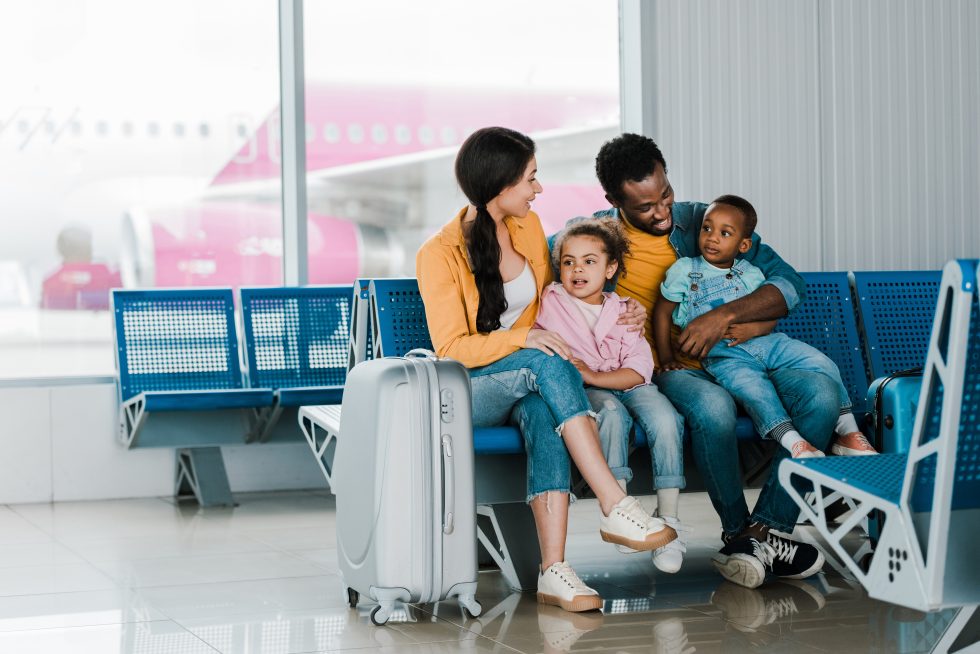
The holiday season is one of the most exciting times of the year for families. Between school breaks, trips to see relatives, festive meals, and special traditions, kids often get swept up in the joy and energy of it all. But as any parent knows, the holidays also bring challenges like disrupted routines, travel fatigue, too many treats, and a spike in seasonal illnesses.
At Mercy Grace Private Practice, we see it every year: colds that won’t go away, stomach viruses spreading through households, overtired kids melting down, and parents wondering if symptoms call for a doctor’s visit or just a day of rest. With so much happening between Thanksgiving and New Year’s, it’s easy for children’s healthy habits to slip and for their immune system to take the hit.
This guide brings together pediatric insight, preventive strategies, and practical tips to help your family enjoy the holiday season without sacrificing your child’s health and well-being.
Why Kids Get Sick More Often During the Holidays
1. More exposure to people means more exposure to illness
Travel, parties, and school events bring kids into close contact with relatives, friends, and new environments. Viruses spread more easily when families gather indoors.
2. Routines get disrupted
Bedtimes shift, meals become irregular, and sleep quality drops — all of which weaken the immune system.
3. Stress and overstimulation take a toll
Kids may not express it, but loud gatherings, changes in schedule, and constant excitement can overwhelm their bodies.
4. Nutrition often takes a backseat
Extra sugar, irregular meals, and less hydration impact energy, gut health, and immunity.
Combining these factors is why pediatric visits tend to rise between late November and early January.
Protecting Your Child’s Immune Health During the Holidays
1. Prioritize Sleep (Even When Schedules Are Busy)
Sleep is one of the most powerful immune boosters for children. Kids who sleep well are better able to fight off viruses and regulate stress and behavior.
Recommended Hours of Sleep
- Toddlers (1–3 years): 11–14 hours
- Preschoolers (4–5 years): 10–13 hours
- School-age kids: 9–12 hours
- Teens: 8–10 hours
How to Protect Sleep During the Holidays
- Keep bedtime close to normal — within 30–60 minutes, even during travel.
- Create a portable bedtime routine (favorite book, sound machine, blanket).
- Watch for overstimulation — long celebrations can push kids past their limits.
- Limit late-night screens to protect melatonin production.
2. Keep Nutrition Steady (While Still Enjoying Holiday Treats)
You don’t need to restrict your child’s holiday favorites, food is part of the celebration. The goal is balance, not perfection.
Smart Nutrition Tips
- Don’t skip meals. Irregular eating leads to overeating sugary foods later.
- Offer protein or fiber first (fruit, cheese, yogurt, lean meats).
- Hydrate early in the day. Hydration affects energy and mood.
- Use the “1–2–1 rule”: one treat, two nutritious foods, then a small treat.
Holiday Party Tip
Bring a familiar healthy snack when visiting family or attending events. It prevents hunger meltdowns and gives kids a grounding option among sweets.
3. Keep Kids Active (Even in Cooler Arizona Weather)
Movement improves sleep, supports digestion, and keeps the immune system strong.
Ideas for Busy Families
- A quick walk after meals
- A park stop during travel days
- Dance breaks at home
- Short hikes around Gilbert or the East Valley
Even 15 minutes of movement helps regulate energy and emotions.
Preventing Illness During Travel and Gatherings
1. Hand Hygiene Is Non-Negotiable
- Wash hands before meals and after coughing or sneezing.
- Keep travel-size sanitizer handy.
- Wipe down surfaces kids touch often.
- Encourage kids to sneeze into their elbow (“vampire sneeze”).
2. Protect Kids During Travel
- Keep sleep routines consistent.
- Bring familiar snacks from home.
- Keep them hydrated.
- Pack a travel sick kit (saline spray, thermometer, basic meds).
3. Encourage Outdoor Time
Arizona’s mild fall and winter weather makes outdoor time easy — fresh air lowers the spread of respiratory viruses and helps kids manage energy.
Managing Kids’ Routines During the Holiday Season
1. Build a Light, Flexible Routine
Your goal isn’t rigid schedules — just enough consistency to support sleep, digestion, and behavior.
Simple Daily Structure
- Wake-up window
- Morning meal
- Quiet rest time or downtime
- Outdoor play
- Dinner at a consistent time
- Predictable bedtime routine
2. Watch for Signs of Overload
Kids show stress differently than adults. Watch for:
- Clinginess
- Irritability
- Meltdowns
- Trouble sleeping
- Stomachaches
- Hyperactivity or withdrawal
If these appear, build a reset day with quiet time and an early bedtime.
Common Holiday Illnesses and When to Call the Pediatrician
Seasonal illnesses tend to rise between Thanksgiving and New Year’s, including:
- Colds
- Flu
- RSV
- Strep throat
- Norovirus (stomach bug)
- Ear infections
Call Your Pediatrician If Your Child Has:
- Fever longer than 72 hours
- Difficulty breathing
- Dehydration (dry lips, fewer wet diapers, no tears)
- Persistent ear pain
- A cough lasting more than 3 weeks
- Lethargy or unusual fatigue
Emergency Care Is Needed For:
- Blue or gray lips or skin
- Severe breathing difficulty
- Unresponsiveness
- Signs of choking or aspiration
Final Thoughts: A Healthy Holiday Season Starts with Small Choices
The holidays don’t have to derail your child’s health. Protecting sleep, offering balanced nutrition, keeping routines in place, and practicing smart hygiene can go a long way toward preventing illness. At Mercy Grace Private Practice, we’re here to support parents and children throughout every season of life.
Serving Gilbert and the East Valley
Schedule a pediatric visit at mercy-grace.testserverwebsite.com/

