
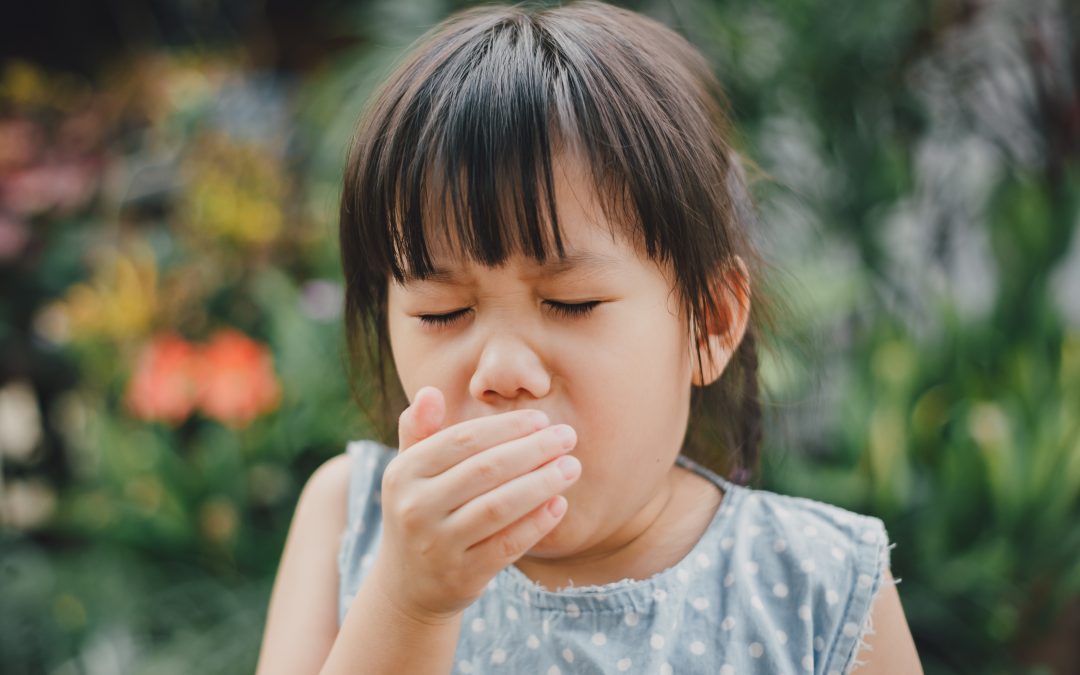
As cooler weather rolls in and respiratory viruses make their seasonal return, many parents are bracing themselves for runny noses, sore throats, and—perhaps most frustrating of all—lingering coughs. It’s one thing when your child has a cold that resolves in a few days, but what about when that nagging cough just won’t quit?
At Mercy Grace Medical Aesthetics, we understand how concerning it can be to hear your child coughing day after day. Persistent coughs are common this time of year, but that doesn’t mean they should be ignored. In this guide, we’ll help you understand what lingering coughs could mean, when to worry, and how to best support your child’s recovery.
What Counts as a “Persistent” Cough?
First, let’s define what we mean by “persistent.” Most viral illnesses—such as the common cold or mild RSV—tend to resolve within 7 to 10 days. However, the cough that lingers after the infection clears can stick around for much longer.
A cough is typically considered persistent if:
- It lasts more than 3 weeks
- It worsens instead of getting better
- It interferes with sleep, eating, or play
- It comes with other symptoms like wheezing, fever, or labored breathing
While some post-viral coughs are normal and self-limited, others may indicate something more serious—especially if they’re recurring or accompanied by red flags.
Common Causes of Persistent Coughs in Children
Let’s take a closer look at what might be causing your child’s lingering cough.
1. Post-Viral Cough
This is by far the most common culprit during cold and flu season.
After a viral illness, your child’s airway may remain inflamed, even after other symptoms have resolved. This residual irritation can lead to a dry, hacking cough that lingers for several weeks.
Signs it might be post-viral:
- Dry, non-productive cough
- No fever
- Otherwise acting normally
- Started with a cold or upper respiratory infection
What to do:
- Use a humidifier at night
- Encourage hydration
- Avoid cigarette smoke or other irritants
- See a doctor if it persists past 3–4 weeks or worsens
2. Asthma or Reactive Airway Disease
For some kids, a lingering cough can actually be a sign of underlying asthma, especially if they’ve had prior episodes of wheezing or difficulty breathing.
Signs it might be asthma:
- Cough worsens at night or with activity
- Wheezing or tightness in the chest
- Family history of asthma or allergies
- History of recurrent bronchitis or “croup-like” illness
Some children have a form of asthma known as cough-variant asthma, where coughing is the primary symptom, rather than wheezing.
What to do:
- Talk to your pediatric provider about a breathing assessment
- Ask whether a trial of inhalers or allergy treatment is appropriate
- Track symptoms using a cough diary
3. Allergies or Environmental Irritants
If your child’s cough is more chronic and seems to flare up with seasonal changes—or around dust, pets, or pollen—they may be experiencing allergic rhinitis or environmental irritation.
Signs it might be allergies:
- Sneezing and itchy, watery eyes
- Clear nasal drainage
- No fever
- Symptoms last longer than typical cold
What to do:
- Try an air purifier in their bedroom
- Use a daily antihistamine under guidance
- Discuss allergy testing with your provider if it becomes disruptive
4. RSV (Respiratory Syncytial Virus)
RSV is a common respiratory virus that can cause severe illness in infants and toddlers. While it typically resolves on its own, RSV often leaves behind a deep, wet cough that can last several weeks—especially in younger kids.
Signs it might be RSV:
- Wheezing and noisy breathing
- Thick mucus and frequent coughing fits
- Trouble feeding (in babies)
- Mild fever or no fever
What to do:
- Focus on hydration and suctioning the nose in infants
- Use a humidifier to ease airway inflammation
- Seek care if your child shows signs of difficulty breathing
5. Whooping Cough (Pertussis)
Despite widespread vaccination, whooping cough still circulates in communities and can be very dangerous—especially for babies.
Signs it might be whooping cough:
- Fits of uncontrollable coughing
- Gasping or “whooping” sound between coughs
- Vomiting after coughing
- Cyanosis (lips turning blue or pale)
What to do:
- Call your provider right away if you suspect whooping cough
- Antibiotics are needed early in illness
- Unvaccinated infants are at highest risk
6. Foreign Body Aspiration
Sometimes a child may inhale a small object (like food or a toy part) without anyone realizing it. This can cause a sudden onset of coughing that doesn’t go away.
Signs it might be aspiration:
- Sudden coughing episode while eating or playing
- Cough that won’t improve
- Uneven or noisy breathing
- Recurring pneumonia in the same area of the lung
What to do:
- Seek urgent evaluation, especially if choking was witnessed
- Imaging (like a chest X-ray) may be needed
- Early diagnosis prevents long-term damage
7. Other Serious Causes
While less common, persistent coughs in kids can also signal more serious issues like:
- Chronic sinus infections
- Pneumonia
- Tuberculosis
- Structural airway abnormalities
- Reflux-related cough (GERD)
If your child’s cough isn’t improving with supportive care or doesn’t match the typical patterns above, it’s time to get a medical evaluation.
When to Call the Doctor
Parents know their kids best. If your gut says something isn’t right, it’s always okay to call. Here are some signs that mean it’s time to schedule an appointment:
- Cough lasting more than 3 weeks
- High fever (especially over 101°F for more than 3 days)
- Wheezing, labored breathing, or chest retractions
- Coughing fits that cause vomiting
- Cough disrupting sleep or appetite
- A “barking” cough that sounds like croup
- You suspect asthma or whooping cough
How Mercy Grace Can Help
At Mercy Grace Medical Aesthetics, our pediatric providers are trained to evaluate persistent coughs and help families understand what’s behind the symptom. We can:
- Perform a detailed physical exam and symptom history
- Recommend allergy testing or chest imaging if needed
- Prescribe asthma treatment or cough medications (when appropriate)
- Help rule out serious infections
- Provide same-day care for urgent cases
Supporting Recovery at Home
In many cases, coughs will improve with supportive care, rest, and time. Here are a few home remedies that are pediatrician-approved:
- Run a cool mist humidifier in your child’s room
- Offer warm fluids like broth or caffeine-free tea (for older kids)
- Use saline spray and suction for babies
- Elevate your child’s head slightly at night
- Avoid smoke exposure and strong fragrances
- Offer honey (for kids over age 1) to soothe the throat
A Quick Reminder: When to Go to the ER
While many persistent coughs are mild, seek emergency care immediately if your child has:
- Difficulty breathing or shortness of breath
- Blue or grayish lips, face, or fingernails
- High fever with lethargy or confusion
- Inability to keep fluids down or signs of dehydration
- Choking or a suspected inhaled object
Trust your instincts—if it feels like an emergency, don’t wait. Call 911 or go to the nearest emergency room.
Final Thoughts: Trust Your Instincts
Not all coughs are created equal. While many are harmless leftovers from colds and viruses, others may point to asthma, allergies, or something more serious. As the fall season brings an uptick in respiratory illness, knowing when to seek care can help keep your child safe and healthy.
If you’re worried about your child’s cough—or just want peace of mind—Mercy Grace is here to help.