
Introduction
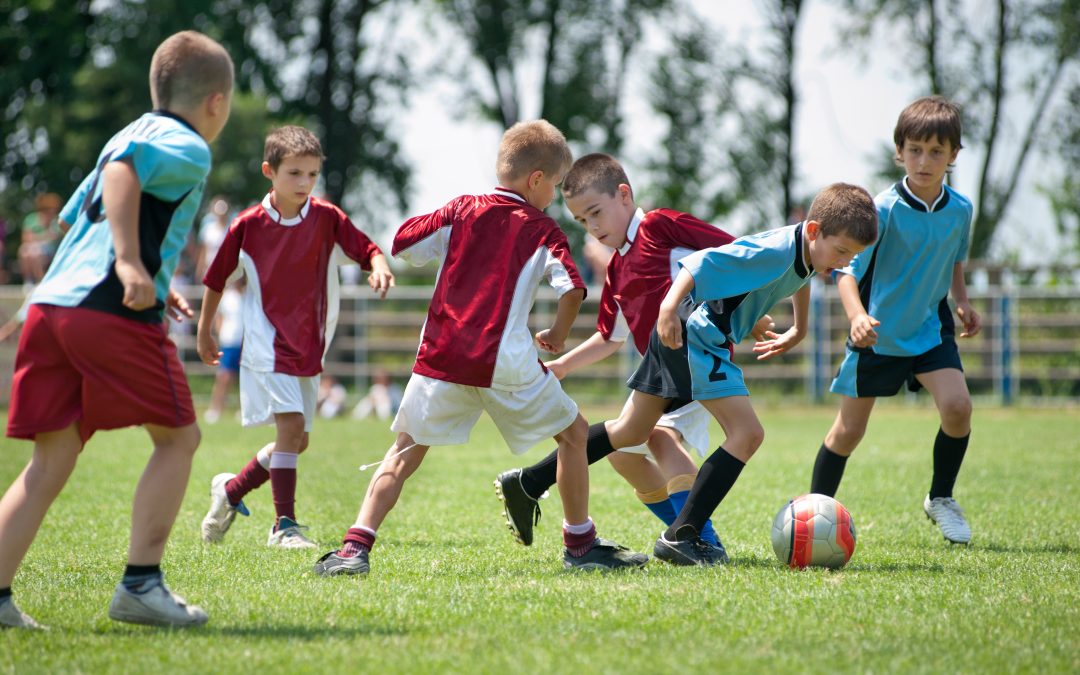
Participating in sports is a vital aspect of childhood that extends beyond physical activity; it teaches teamwork, perseverance, and the development of motor skills. However, the physical nature of sports means that injuries can occur, some of which may have long-term consequences if not properly addressed. As such, it’s crucial for parents, coaches, and the young athletes themselves to be well-versed in strategies to minimize these risks. This detailed guide will cover how to keep athletic children safe from injuries, ensuring a positive and healthy sports experience.
Understanding the Risks
Children’s bodies are still developing, which makes them more susceptible to certain types of injuries compared to adults. Sports injuries in children can range from acute injuries like cuts and bruises to more serious ones such as fractures, ligament tears, and head injuries including concussions. Overuse injuries are also common, resulting from repetitive trauma and strain over time rather than from a single incident. Recognizing the activities that pose higher risks and the common injuries associated with different sports can help in planning appropriate preventive strategies.
Proper Training and Preparation
Warm-ups and Cool-downs
Proper warm-ups raise the body’s temperature and increase muscle elasticity, both of which help prevent injuries. A good warm-up might include light jogging followed by dynamic stretches that mimic the movements of the sport being played. Cooling down after practice or a game helps to gradually reduce heart rate and can prevent muscle stiffness, contributing to a quicker recovery. These routines should be as integral to sports training as the activities themselves.
Skill Development
Developing skills in a progressive and controlled manner is crucial. Young athletes should not only focus on sport-specific skills but also on general physical literacy. Coaches should ensure that children learn the correct techniques from the start—whether it’s how to hold a racket, the right way to pitch a ball, or the safest technique for tackling. This not only improves their performance but significantly decreases the risk of injury.
The Role of Equipment
Protective Gear
The right protective gear is essential and varies by sport—helmets in football and cycling, shin guards in soccer, mouthguards in basketball and martial arts. It’s vital that each piece of equipment fits properly. Ill-fitting gear can not only fail to protect but also create its own risks. For instance, a loose helmet can cause neck injuries during a fall.
Equipment Maintenance
Regular checks to ensure that equipment is in good condition are necessary. This includes inspecting protective gear for cracks or wear, ensuring that footwear provides adequate support, and that any sports apparatus, like bats, sticks, or rackets, is right for the child’s size and strength level.
Creating a Safe Environment
Playing Surfaces
Playing on safe, well-maintained surfaces can significantly reduce injury risks. Fields should be checked for holes, excess water, or debris. Indoor courts should be kept dry and clean. In sports like gymnastics or martial arts, mats and floors must provide proper cushioning.
Supervision
Competent supervision is crucial. Coaches should be trained not only in sports techniques but also in basic first aid and injury prevention. They should enforce safety rules and can often spot when a child is placing themselves at risk, whether through incorrect form or inappropriate behavior.
Importance of Rest and Recovery
Schedule Breaks
Regular breaks are vital in preventing overuse injuries. These pauses allow the body to rest and repair itself, which is crucial after intense physical activity. During sports practice and games, ensure there are adequate breaks for children to recuperate, especially in high-intensity sports.
Offseason Recovery
Encouraging children to have an offseason, where they take a break from a particular sport, helps prevent chronic injuries and mental burnout. This downtime allows their body to recover fully and can also reignite their passion for the sport by preventing oversaturation.
Educating on Concussion Awareness
Signs and Symptoms
Understanding and recognizing the signs of a concussion is critical in sports where head impacts are possible. Symptoms can include headache, confusion, dizziness, and changes in mood or behavior. Training coaches, parents, and young athletes to recognize these signs can ensure timely medical assessment and care.
Response Protocols
Every team or sports league should have a clear protocol for dealing with suspected concussions. This usually involves immediate removal from play, medical assessment, and a structured plan for returning to the sport, ensuring the child’s brain has recovered completely before they resume activities.
Stress Management and Heart Health
Understanding the Impact of Stress
Physical stress from intense exercise, if not managed, can lead to overtraining syndrome, where performance declines and the risk of injury increases. Emotional stress can also affect young athletes, particularly in competitive sports environments.
Stress Reduction Techniques
Implementing stress management techniques such as deep breathing, progressive muscle relaxation, or visualization can help young athletes handle pressure. Encouraging children to engage in activities outside of sports, such as music or art, can also provide necessary balance.
Nutrition and Hydration
Proper nutrition and hydration are pillars of injury prevention in sports. Nutrition fuels the body for performance and aids in recovery, while adequate hydration helps maintain joint lubrication and body temperature regulation.
Proper Nutrition
Meals should be well-balanced, containing carbohydrates for energy, proteins for muscle repair, and fats for longer-term energy needs. Before and after sports activities, meals should be timed to provide optimal energy and recovery resources without causing discomfort during activity.
Hydration
Children often underestimate how much fluid they lose during exercise and may not feel thirsty until they are already dehydrated. Regular reminders to drink water, providing flavored water if preferred, and educating about the signs of dehydration are all important.
Encouraging Open Communication
Fostering an environment where children feel comfortable discussing their physical and emotional state is crucial for injury prevention. They should feel safe in expressing any concerns about pain or discomfort without fear of negative repercussions like reduced playtime or criticism.
Conclusion
Ensuring the safety of young athletes is a multifaceted responsibility that involves physical preparation, proper nutrition, mental health management, and open communication. By embracing these principles, parents and coaches can help foster a safe and enriching sports environment. Remember, the goal isn’t just to prevent injuries but to support the overall growth and development of the child, helping them enjoy their athletic endeavors and learn valuable life skills.