Home› Health Guides› Primary Care
The Medicine Cabinet Review: What to Throw Out, What to Replace, What to Ask About
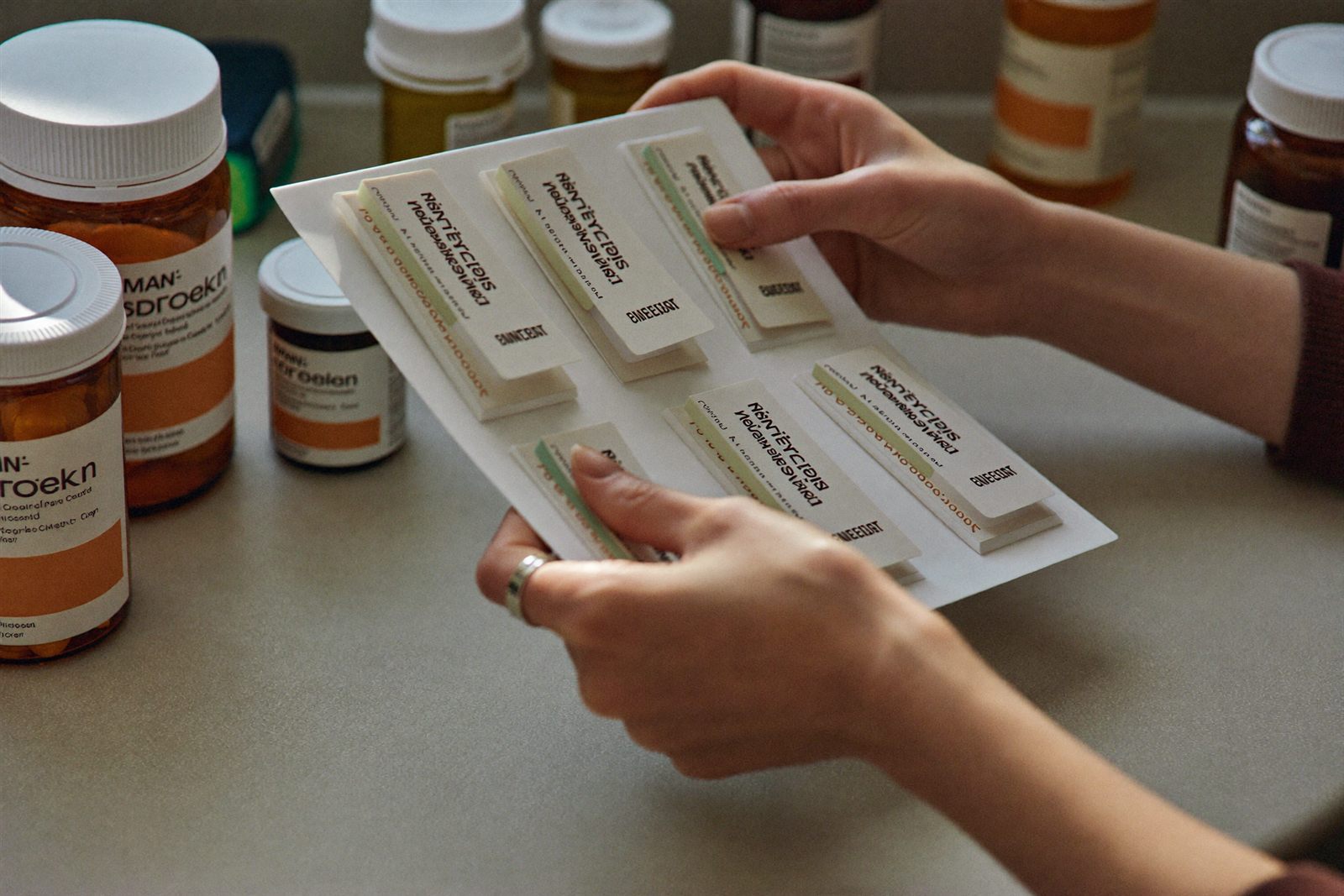
This takes about twenty minutes once a year, and it catches three things that genuinely matter: an expired rescue medicine you were relying on, a prescription you are still taking that nobody has reviewed in years, and a bottle within reach of a child.
Pick a date you will remember. March is a reasonable one — before the heat arrives, after the winter illnesses, and a sensible distance from the December rush.
First, the one that matters most: expiry dates on rescue medication
Most expired medicine is simply less effective. Rescue medicine that has expired is a plan that will not work on the day you need it.
Check, and replace anything out of date:
- Adrenaline auto-injectors. Every one, including the spares and the one in the school bag and the one in the car. Two in date, always
- Asthma relievers. Check the expiry and whether there is anything left in it — a canister can rattle and be empty. A reliever inhaler you have not used in a year is a reliever inhaler to check
- Glucagon, if anyone in the house has diabetes on insulin
- Naloxone, if you have it. If anyone in your household takes opioid pain medication, it is reasonable to have it and to ask us about it — this is a normal precaution now, not an accusation
- Nitroglycerin, which degrades faster than most people expect
- Antihistamines for an allergic reaction
Write the replacement dates somewhere you will look. A phone reminder set a month before expiry is the entire system.
Then the throwing out
Throw out:
- Anything past its expiry date. Antibiotics and eye drops especially — eye drops are not sterile once opened for long, and an old bottle used on an infected eye is contaminated
- Any leftover antibiotic. Do not save them, do not take someone else’s, and do not start one from the cupboard. Our cold page explains why this does harm as well as no good
- Anything you cannot identify, or where the label has gone
- Loose tablets in a bag or an unlabelled pot
- Anything that has changed colour, smell or texture, or tablets that are crumbling
- Prescriptions for a condition you no longer have, or for someone who no longer lives there
- Opened liquid medicine past its date — these spoil faster than tablets
- Old sunscreen. It loses effectiveness, and in a garage or a car in Phoenix it degrades considerably faster than the date suggests. Replace it before summer
How to dispose of it properly:
Do not flush medication and do not put it loose in the bin. A drug take-back location is the right answer — many pharmacies and police stations in the Valley have permanent drop boxes, and the DEA runs national take-back days twice a year. Controlled medication should always go to a take-back box rather than in the household waste.
If no take-back is available: mix tablets with something unappealing like coffee grounds or cat litter, seal it in a bag, and put it in the household bin. Scratch out your name and prescription number before recycling the container.
Then the safety pass
This is worth doing properly if there is any chance of a child in the house, including grandchildren and visitors.
- Up, locked, and out of sight. Not on a counter, not in a handbag on the floor, not in a bedside drawer. A handbag is the most common place a toddler finds medicine
- Child-resistant is not childproof. It buys time
- Gummy vitamins get stored like medicine. They taste like sweets, and they are a leading cause of pediatric vitamin overdose calls — iron in particular is genuinely dangerous to a small child
- Never call medicine “candy” to get a child to take it
- Save Poison Control now: 1-800-222-1222. Put it in your phone before you need it
- Cannabis edibles and anything containing nicotine go in the same category, locked and out of reach. Liquid nicotine is dangerous in very small amounts
- And a note for teenagers in the house: leftover opioid and stimulant prescriptions are the commonest source of misused medication among adolescents. If there is something you are not using, that is a reason to take it to a drop box today
Then the restock
- Thermometer, working, with batteries. For a baby under one month, a rectal thermometer, because that is what any threshold in our fever page refers to
- Acetaminophen and ibuprofen, both in date, in the right strengths for everyone in the house
- Oral rehydration solution, which matters more here than in most places
- Plasters, gauze, tape, tweezers, a cold pack
- Saline nasal spray or rinse, one of the genuinely effective things for a cold
- Sunscreen, SPF 30 or higher, broad spectrum, in date. Fresh before summer
- Antihistamine, for the allergy season that starts early here
- A blood pressure monitor, if you have been asked to check at home. An upper-arm cuff, correct size. Bring it in and we can check it against ours
Then the review, which is the part worth an appointment
A medication review is a real appointment and most people have never had one.
Bring everything. Not a list — the actual containers, including over-the-counter medicines, vitamins and supplements. Everything.
What it is for:
- Is each of these still needed? Medicines accumulate. A drug started for a reason that no longer applies keeps getting refilled because nobody stopped it
- Do any of them interact? This is where supplements matter — St John’s wort, high-dose vitamin K, potassium-based salt substitutes, glucosamine with warfarin, and biotin interfering with thyroid and cardiac blood tests are all real and all commonly missed
- Is the dose still right? Kidney function changes with age, and several common doses should change with it
- Are any of these causing a symptom you have blamed on something else? Tiredness, dizziness, a cough, hair loss, poor sleep, low mood and constipation are all common medication effects that get attributed to age
- Can anything be simplified? Fewer tablets, taken at fewer times, is better adherence
- Is anything raising your blood pressure? NSAIDs and decongestants both do, and both are usually bought without a prescription. Our blood pressure page covers it
- Do any of these make heat harder to handle? Genuinely important here. Diuretics, beta blockers, some antidepressants and some antihistamines all affect how your body copes with a Phoenix summer — which is the best argument for doing this review in March rather than in July
The Arizona note
Heat destroys medication, and most people store medicine in the two worst places in the house.
A bathroom cabinet is hot and humid, and in a Phoenix summer so is almost everywhere else. A bedroom cupboard or a kitchen cupboard away from the stove is better.
Never store medication in a car. A closed car here reaches temperatures that ruin insulin, adrenaline auto-injectors and inhalers within hours. That is a specific problem for exactly the medicines you carry because you might need them urgently — an auto-injector left in a glovebox through July may not work. If you must carry one, carry it on you or in an insulated case, and replace anything that has been through a summer in a car.
Insulin needs its own plan in this climate, for storage at home and for travel.
And check the garage. Sunscreen, medication and supplies stored in an Arizona garage have been through temperatures far outside anything the expiry date assumed.
Sources
- Over-the-Counter Medicines — MedlinePlus topic page, U.S. National Library of Medicine (summary from the Food and Drug Administration). https://medlineplus.gov/overthecountermedicines.html
A note on this article: This information is general health education and is not a substitute for a visit with a provider. If you have a concern about your health or your family’s health, call us and we will help.