Home› Health Guides› Pediatrics
Bedwetting: It Is Not Laziness, and It Is Not Your Fault Either
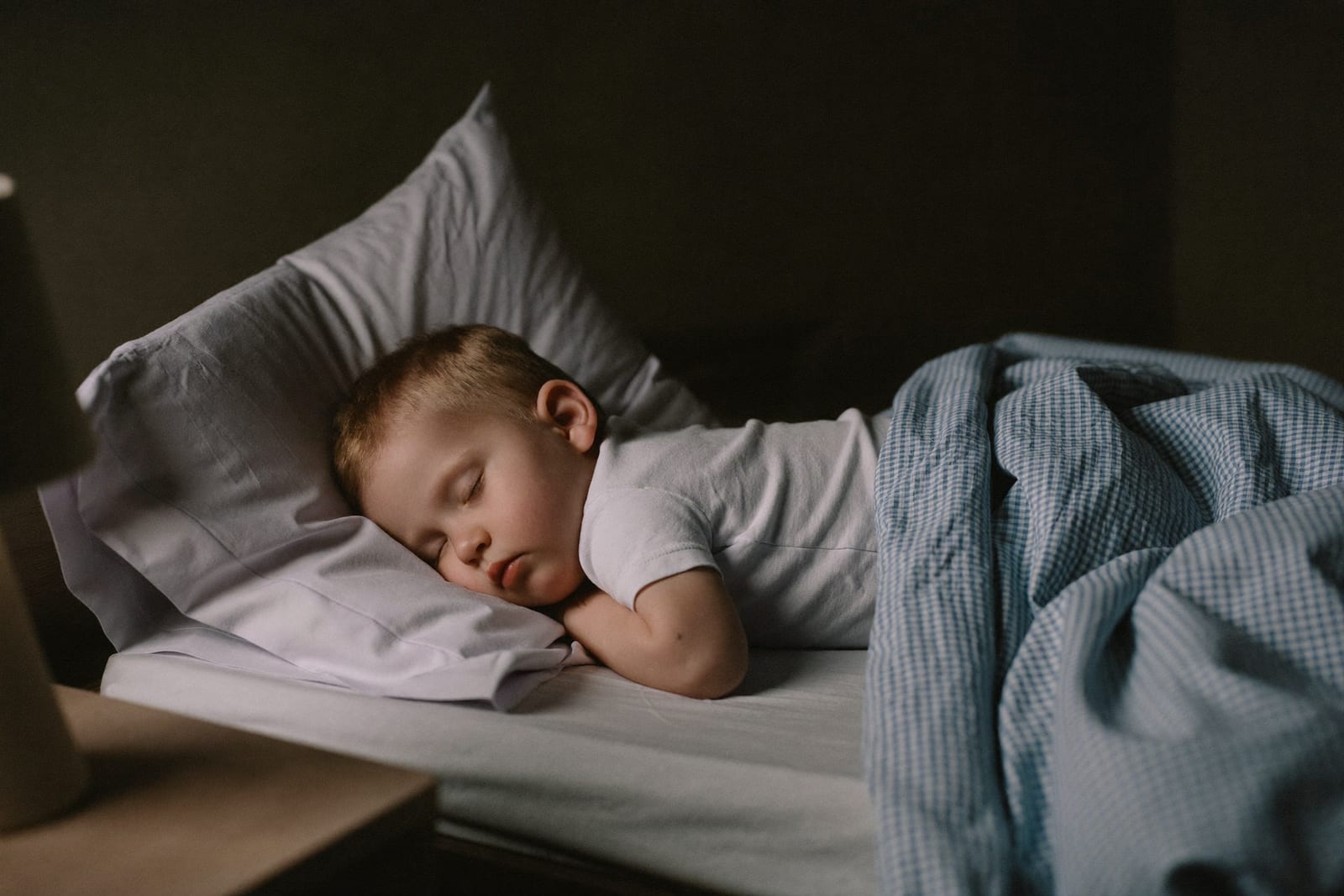
A child who wets the bed is asleep. That is the whole of it, and almost every unhelpful thing done about bedwetting follows from forgetting it.
They are not being lazy, they are not too comfortable to bother, and they are not doing it for attention. In most children the bladder fills faster than the brain gets the message to wake — and being asleep is not a decision anyone makes badly. Punishment does not work on bedwetting, because there is nothing there to punish. It reliably makes a child ashamed, and shame makes everything about this harder.
It is also far more common than families think, because nobody talks about it. Around one in seven five-year-olds wets the bed, and a small number of teenagers still do. Most children grow out of it without any treatment at all.
What is normal, and when it is worth looking into
Staying dry overnight is a developmental milestone, not a skill. Daytime control comes first and night control can trail it by years — that is ordinary, not a delay.
Below about five, bedwetting is simply expected and not treated. From around five onwards it is reasonable to raise, mostly because there are things that help and because a child of school age is starting to mind.
One distinction matters more than age, and it is the reason to read this section.
A child who has never been reliably dry at night is the common picture. Usually nothing is wrong: a genetic tendency runs strongly in families, so ask whether you or their other parent wet the bed — the answer is often yes, and often a relief.
A child who was dry for months and has started again is a different situation and is worth a call rather than a wait. Something changed, and the list of what changes is short and checkable: a urinary infection, constipation, new or worsening diabetes, obstructive sleep apnoea, or something stressful at home or at school.
New bedwetting with thirst, weight loss, or a lot more urine
Call us promptly. A child who has started drinking constantly and passing large amounts of urine, especially with weight loss or new tiredness, needs blood sugar checked rather than bladder advice. New bedwetting is one of the most common first signs of type 1 diabetes in children, and it is one of the few presentations here where days matter. Our diabetes page covers the rest.
The two causes nobody mentions
Constipation. This is the most under-recognised cause of bedwetting there is, and it is entirely treatable. A loaded bowel sits against the bladder, reduces how much it can hold, and irritates it. The catch is that a constipated child often does not seem constipated — they may pass something every day, or have soiling accidents that look like the opposite problem. If your child wets the bed and also has hard or infrequent stools, painful stools, soiling, or a history of holding it in, say so. Treating the constipation sometimes resolves the bedwetting on its own, which surprises everybody.
Snoring and disturbed breathing in sleep. A child who snores heavily, pauses in their breathing, sleeps restlessly, or wakes unrefreshed may have obstructive sleep apnoea — often from large tonsils and adenoids — and it is genuinely associated with bedwetting. It also causes exactly the daytime irritability and poor concentration that get read as a behaviour problem. If your child snores most nights, tell us, because that is a different conversation with a different fix.
What actually helps
Protect the bed and lower the stakes. A waterproof mattress cover, bedding you do not mind washing, and a routine that makes a wet night a five-minute job rather than a crisis. Getting older children involved in the changeover — matter-of-factly, not as a consequence — gives them some control without making it a punishment.
Get fluids in earlier, not lower overall. Restricting drinks in the evening does much less than most families expect, and children who drink too little in the day end up drinking a lot at night. Aim for most of the day’s fluid before dinner. Cut out caffeine, which includes cola and chocolate as well as tea and coffee.
Empty the bladder twice before sleep — once at the start of the bedtime routine and again right at the end.
Treat constipation properly if it is there. See above. This is often the whole answer.
Do not use nappies or pull-ups as the long-term plan for an older child. They are a reasonable short-term measure, and past a certain point they remove the signal the child needs.
Waking them to go, on your schedule, does not teach anything. It empties the bladder and produces a dry sheet, which is worth something on a school night, but it is management rather than treatment.
Bedwetting alarms are the treatment with the best long-term results for a motivated child, and they take weeks and family commitment. The alarm sounds on the first drop of urine and the child gradually learns to wake to a full bladder. They work best from around seven, and they need the household to be on board — it is a two-month project, not a gadget.
Medication exists and has a place, particularly for sleepovers, school trips and camp, where what matters is a specific dry night rather than a long-term cure. It is a real option and worth asking about for exactly those occasions.
And the sleepover question deserves a direct answer, because for a nine-year-old it is often the whole problem. It is nearly always solvable, and it is a good reason to make the appointment.
Call us if
- Bedwetting that has restarted after a stretch of dry nights
- Any new bedwetting with increased thirst, weight loss, or much larger volumes of urine — see the box above
- Pain or burning when passing urine, blood in the urine, or a fever with tummy or back pain
- Daytime wetting or urgency as well as night-time, especially if it is new
- Constipation, soiling, or painful stools alongside it
- Heavy snoring, or pauses in breathing during sleep
- Your child is old enough to be distressed by it, or avoiding sleepovers and trips
- Bedwetting alongside a significant change at home, at school, or in mood
- You are worn down by it. That is a good enough reason on its own. This is exhausting for parents and there is no prize for coping quietly.
- You have tried the practical measures for a few months and nothing has shifted
The thing to say to your child
That they are not the only one, that plenty of children in their class have the same thing and nobody talks about it, that it is their body’s timing rather than anything they are doing wrong, and that it will stop.
All four are true, and hearing them from a parent does more for a child than anything else on this page.
Sources
- Bedwetting: 3 Common Reasons & What Families Can Do — American Academy of Pediatrics, HealthyChildren.org. https://www.healthychildren.org/English/ages-stages/toddler/toilet-training/Pages/Bedwetting.aspx
A note on this article: This information is general health education and is not a substitute for a visit with a provider. If you have a concern about your health or your family’s health, call us and we will help.