Home› Health Guides› Primary Care
Vitiligo: An Autoimmune Condition, Not a Cosmetic One
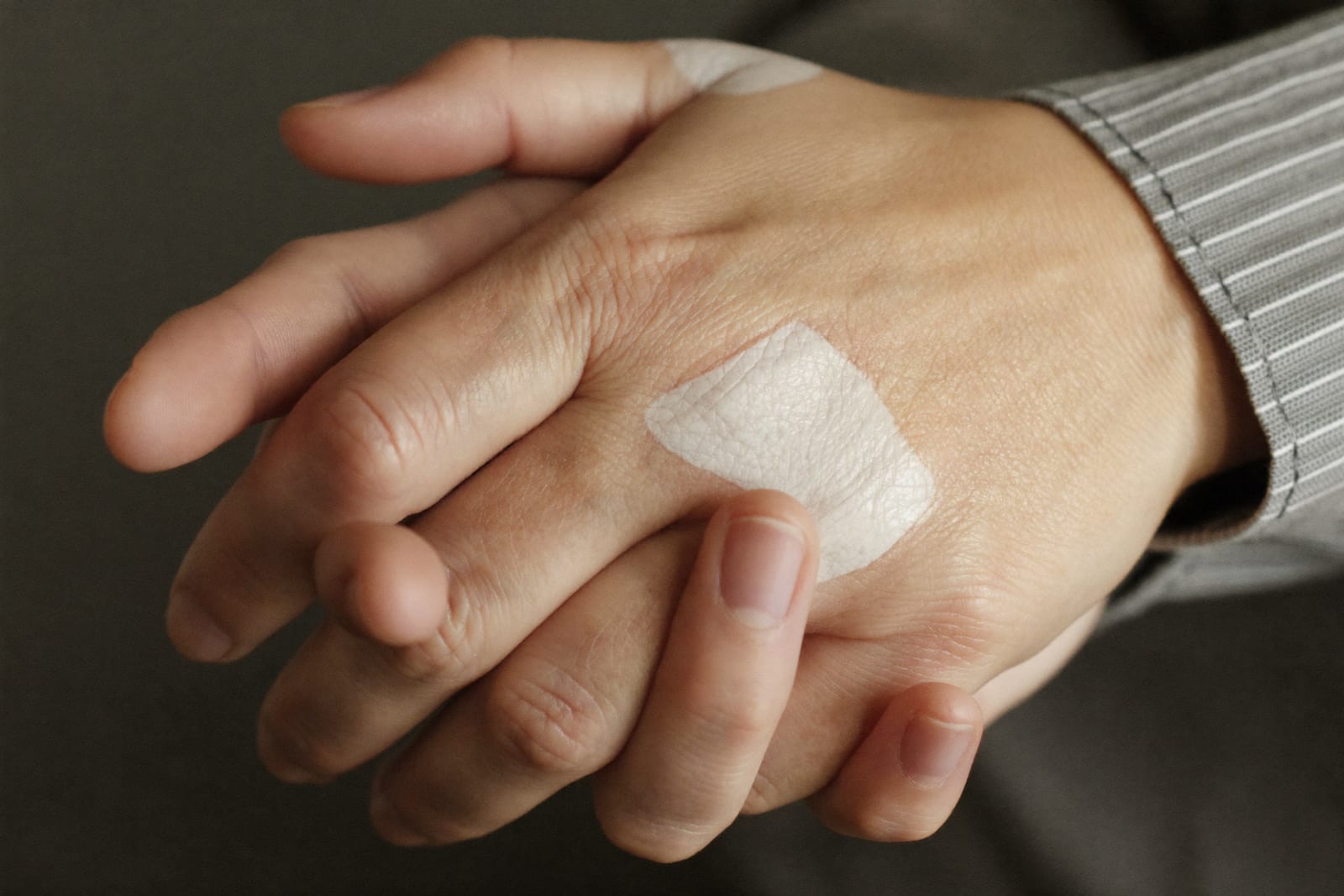
Vitiligo is not a skin blemish. It is an autoimmune condition in which the immune system destroys the cells that make pigment, leaving patches of skin without colour.
That distinction is the whole reason this page exists on a primary care site rather than a beauty one, and it has three practical consequences:
It travels with other autoimmune conditions, thyroid disease most of all — which means a diagnosis of vitiligo should prompt a look at more than the skin.
There are real treatments, and they work considerably better on new patches than on old ones. Waiting costs response, which is the single most useful thing to know.
And the affected skin has no sun protection at all. That is not an aesthetic issue and in Arizona it is the most consequential sentence here.
What it looks like, and what it is not
Well-defined patches of skin that have lost pigment — usually milky-white, often symmetrical, commonly on the hands, face, around the mouth and eyes, elbows, knees, feet and genitals. It frequently starts where skin has been injured, sunburned or rubbed. Hair in an affected patch can turn white too, including eyebrows, eyelashes and beard.
It is not contagious. It is not caused by diet. It is not caused by anything you did. It is not painful or itchy, generally — patches that itch or feel different are worth mentioning, because they may be something else.
Things it is confused with, which is why it should be looked at rather than assumed:
- Tinea versicolor — a common yeast overgrowth producing lighter (or sometimes darker) patches, often on the trunk, usually slightly scaly. Very common in hot humid conditions, easily treated, and regularly mistaken for vitiligo
- Post-inflammatory hypopigmentation — lighter skin left behind after eczema, psoriasis or an injury, which usually recovers on its own
- Pityriasis alba — faint pale patches on children’s faces, common and harmless
- Halo naevi, and several rarer conditions
Any patch that is changing shape or colour, has an irregular border, or sits within or beside a mole should be looked at, because pigment changes are not all benign — and in this state that deserves extra weight. Our skin cancer page covers why.
What to get checked alongside it
This is the primary care part, and it is routinely skipped:
- Thyroid function, and thyroid antibodies. This is the strongest association by a distance, and thyroid disease is common, treatable, and easy to miss
- A full blood count, and B12 — pernicious anaemia is associated
- Blood sugar, since type 1 diabetes is associated
- Vitamin D, worth checking here for the reason our other pages give
- A conversation about other autoimmune conditions in you and in your family, and about any symptoms that might point at one
And an eye and ear note, because it surprises people: the same pigment cells exist in the eye and the inner ear. Vitiligo is occasionally associated with eye inflammation or hearing changes. Mention any change in vision or hearing rather than assuming it is unrelated.
Treatment, honestly
There are effective treatments, and none of them is fast. Expect to measure progress in three to six months at minimum, and often longer. Knowing that in advance is what stops people abandoning something that was working.
What exists:
- Topical treatments — steroid creams, and calcineurin inhibitors, which are often preferred on the face and around the eyes
- Newer topical options that work on the immune pathway involved, which have genuinely changed what is achievable and are a real development rather than a marginal one
- Phototherapy, particularly narrowband UVB, which is one of the more effective approaches for widespread disease. It requires a course of regular sessions, so practicality matters as much as efficacy
- Combinations, which is usually the reality
- Camouflage — cosmetic products, self-tanners, and medical tattooing in specific cases. Not a lesser choice. For some people it is the right one, and it should not be positioned as giving up
- Surgical options for stable disease that has not responded
What genuinely affects the odds: new patches respond much better than long-standing ones, and areas with hair follicles respond better than the hands, feet and lips. Face and neck do best. That is the argument for coming in early rather than waiting to see whether it spreads.
And the honest part: it may spread, it may stop, and it may repigment on its own. It is unpredictable, and any treatment can be partial. Nobody should promise you clearance, and a page that implied otherwise would be doing you no favours.
Sun protection, which matters more here than anywhere
Skin with vitiligo has no melanin, which means it has no natural sun protection. It burns readily and it burns badly.
In Arizona this is the most important paragraph on this page.
- Daily broad-spectrum sunscreen, SPF 30 or higher, on affected areas, reapplied. Not just on beach days — this is a year-round requirement here, including in February
- Clothing and shade, which do more than any product. Long sleeves, a wide-brimmed hat, sun-protective fabrics
- Sunburn can trigger new patches as well as damaging existing ones, so protection is treatment and not only comfort
- No tanning beds. Not for a tan, and not as a substitute for medical phototherapy, which is a controlled dose under supervision and a different thing entirely
- A counterintuitive one: protecting the UNaffected skin also matters. Tanning the normal skin around a patch increases the contrast and makes it far more visible. For many people that does more for appearance than any treatment
Our sun protection and skin cancer page covers the rest, and Arizona has among the highest skin cancer rates in the country.
The part people find hardest
Vitiligo has a genuine psychological impact, and it is frequently more significant than the physical one. It is visible, it invites comment, children get asked about it, and in some communities it carries stigma that is not a small thing to live with.
This is a legitimate part of the consultation, not an aside. If it is affecting your mood, your confidence, how you dress, whether you swim, or whether you want to go out — say so. It changes what treatment is worth pursuing and how urgently, and you can raise the need for support with your provider, for guidance or a referral, rather than starting elsewhere.
For a child with vitiligo, the main work is usually helping them have a simple answer for other children — “it’s just how my skin is, you can’t catch it” — and making sure school knows. Children manage this well when the adults around them are relaxed about it.
Patient organisations are genuinely useful for this condition, more so than for most, because the day-to-day of living with it is not something a clinic visit covers well.
Come and see us if
- You have a new patch of skin that has lost colour — early, because response is better
- Patches are spreading or appearing quickly
- Any patch that itches, is scaly, changes shape, has an irregular border, or is near a mole — that is a different assessment
- Vitiligo with tiredness, weight change, feeling the cold, palpitations, or mood change — that combination points at thyroid
- Any change in vision or hearing
- Sunburn on an affected area
- A child with pigment loss
- You want to discuss treatment, or camouflage
- It is affecting how you feel. On its own. That is enough
Sources
- Vitiligo — MedlinePlus Medical Encyclopedia, U.S. National Library of Medicine. https://medlineplus.gov/ency/article/000831.htm
A note on this article: This information is general health education and is not a substitute for a visit with a provider. If you have a concern about your health or your family’s health, call us and we will help.