Home› Health Guides› Primary Care
Warts: Why Most Need No Treatment, and What to Do If You Want Them Gone
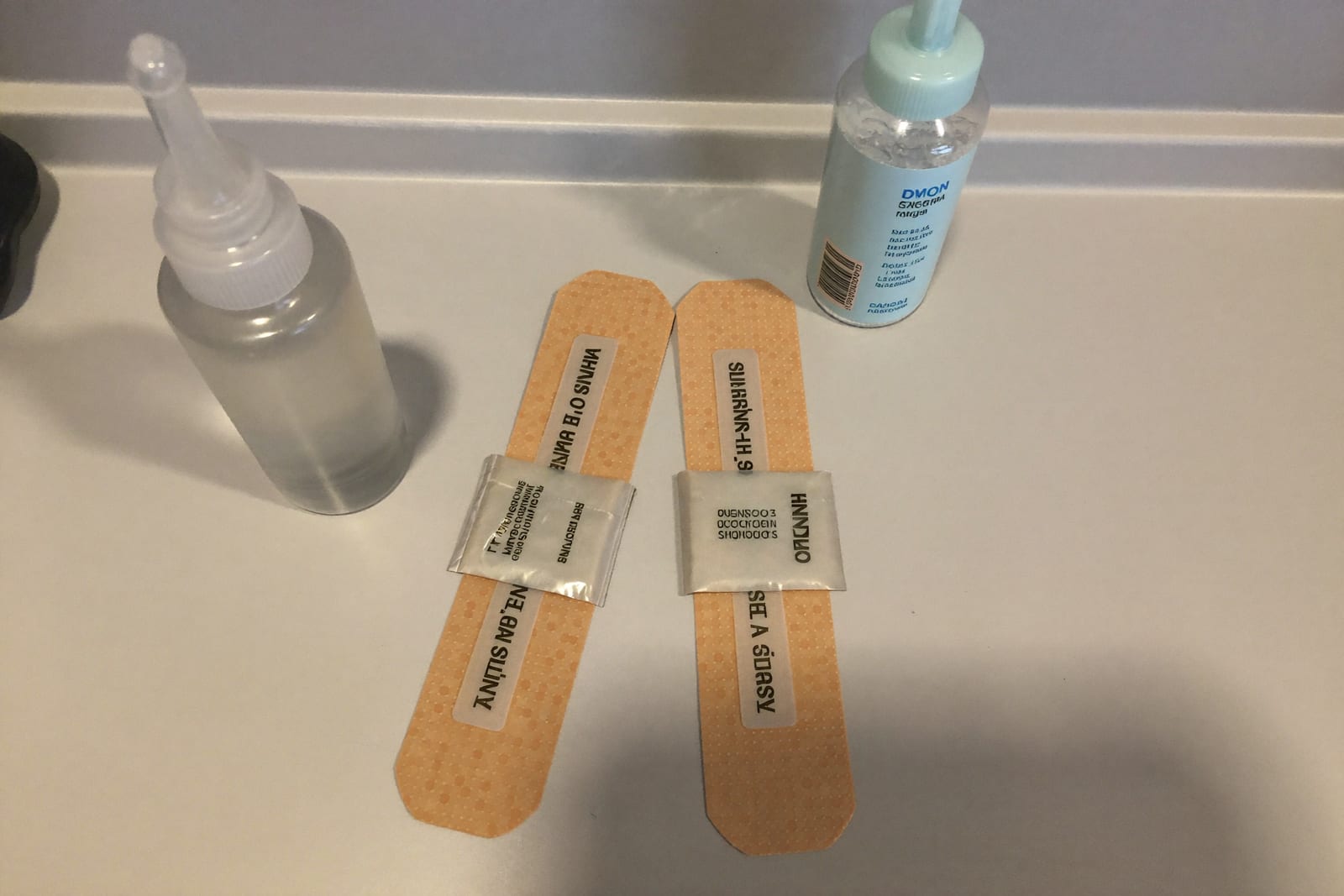
Most warts go away by themselves. In children, roughly two-thirds clear within two years without anything being done to them — the immune system eventually recognises the virus and deals with it.
That is genuinely the first thing to know, because it changes the question. The question is not “how do I get rid of this”, it is “is this one worth treating”. A painless wart on a knuckle usually is not. A painful one on the sole of a foot usually is. And a few things that look like warts are not warts at all, which is the part of this page that matters most.
What they are
A wart is a skin infection caused by human papillomavirus — not the strains associated with cancer, which is worth saying plainly because the shared name causes real and unnecessary alarm.
It spreads by contact: skin to skin, or from a surface. Warm wet floors are the classic route — pool decks, locker rooms, shared showers — which in a state where children swim most of the year means plantar warts are common here.
They also spread on the same person. Picking, scratching, biting or shaving over a wart moves the virus somewhere new, which is why one wart becomes four. That is the main reason to leave them alone.
Common kinds: rough raised ones on hands and fingers; plantar warts on the soles, which grow inward under pressure and hurt to walk on, often with small dark dots in them; flat ones that come in groups on the face or legs; and filiform warts, thin threadlike ones around the face.
When a wart is not a wart
This is the section worth reading even if you skip the rest.
- A “wart” on an adult that is growing, bleeding, changing colour, or has an irregular edge needs looking at. Some skin cancers look like warts, and in Arizona that possibility deserves more weight than almost anywhere else in the country — our skin cancer page covers why
- A rough patch on sun-exposed skin in an older adult may be an actinic keratosis or something else entirely, not a wart
- A “wart” on the sole that is actually a corn or a callus. Warts usually interrupt the skin lines and often have tiny dark dots; corns and calluses keep the lines running through them. The treatments are different
- Anything in the genital area is a different conversation with a different assessment, and it should not be self-treated
- A new lesion on the face, where scarring from home treatment matters
- Molluscum contagiosum — small smooth dome-shaped bumps with a central dimple, common in children and frequently mistaken for warts. It also resolves by itself
If you have diabetes, poor circulation, or reduced feeling in your feet, do not treat a foot wart yourself. A home treatment that damages surrounding skin on a foot with poor sensation or blood supply can become a wound that does not heal. That is a genuine risk and it is the reason this page says to come in.
If you want it treated
Salicylic acid is the first-line home treatment and it works, with the important caveat that it works slowly. Expect eight to twelve weeks of daily application, and the reason most people conclude it failed is that they stopped at three.
Done properly:
- Soak the wart in warm water for five to ten minutes first
- File the dead surface gently with an emery board or pumice — and use that file on nothing else, ever
- Apply the acid to the wart only. Protect the surrounding skin, and a ring of petroleum jelly does that well
- Cover it. Occlusion genuinely improves results, which is also most of what the duct tape method is doing
- Every day. The gaps are why it fails
- Stop and call us if the surrounding skin becomes raw, painful, or infected
Freezing. Over-the-counter freezing kits are much weaker than the liquid nitrogen used in a clinic and generally disappoint. Clinic freezing usually needs several sessions two to three weeks apart, and it stings — which is a real consideration for a young child, and an important part of deciding whether a painless wart is worth it.
Other options exist for stubborn warts — stronger topical preparations, treatments that provoke an immune response, and minor procedures. Worth asking about if a wart has resisted a proper course of acid.
And there is no treatment that works every time. Warts recur, and a recurrence is not a failure of the treatment or of you.
What not to do
- Do not cut, burn, or dig one out. Scarring, infection, and it does not remove the virus
- Do not pick or bite them, which is how they multiply and how a nail gets permanently deformed
- Do not shave over one
- Do not use a home treatment on the face or the genital area
- Do not share the file, the pumice, or the towel
- Do not treat a foot wart yourself if you have diabetes or circulation problems — see above
Reducing the spread
Footwear in shared wet areas. Flip-flops or pool shoes in locker rooms, at swim lessons, and in shared showers. This is the single most effective preventive measure and in Phoenix it is a year-round one.
Dry feet properly, and dry the wart last.
Cover a wart with a plaster during swimming, gym or shared activities.
Do not share towels, socks, shoes or nail tools.
A child with a wart does not need to stay home from school or miss swimming. Covering it is sufficient, and excluding a child for a wart is neither necessary nor kind.
Call us if
- A wart is painful, or interfering with walking, writing, or sport
- It is growing quickly, bleeding, changing colour, or has an irregular border — especially in an adult
- It is on the face, or in the genital area
- There are many of them, or they are spreading fast
- You have diabetes, circulation problems, or a weakened immune system
- Home treatment has been done properly for twelve weeks with no change
- The surrounding skin has become raw or infected
- You are not certain it is a wart. That is the best reason on this list
Sources
- Warts — MedlinePlus Medical Encyclopedia, U.S. National Library of Medicine. https://medlineplus.gov/ency/article/000885.htm
A note on this article: This information is general health education and is not a substitute for a visit with a provider. If you have a concern about your health or your family’s health, call us and we will help.