Home› Health Guides› Pediatrics
Back to School in Arizona: The July Checklist Nobody Warns You About
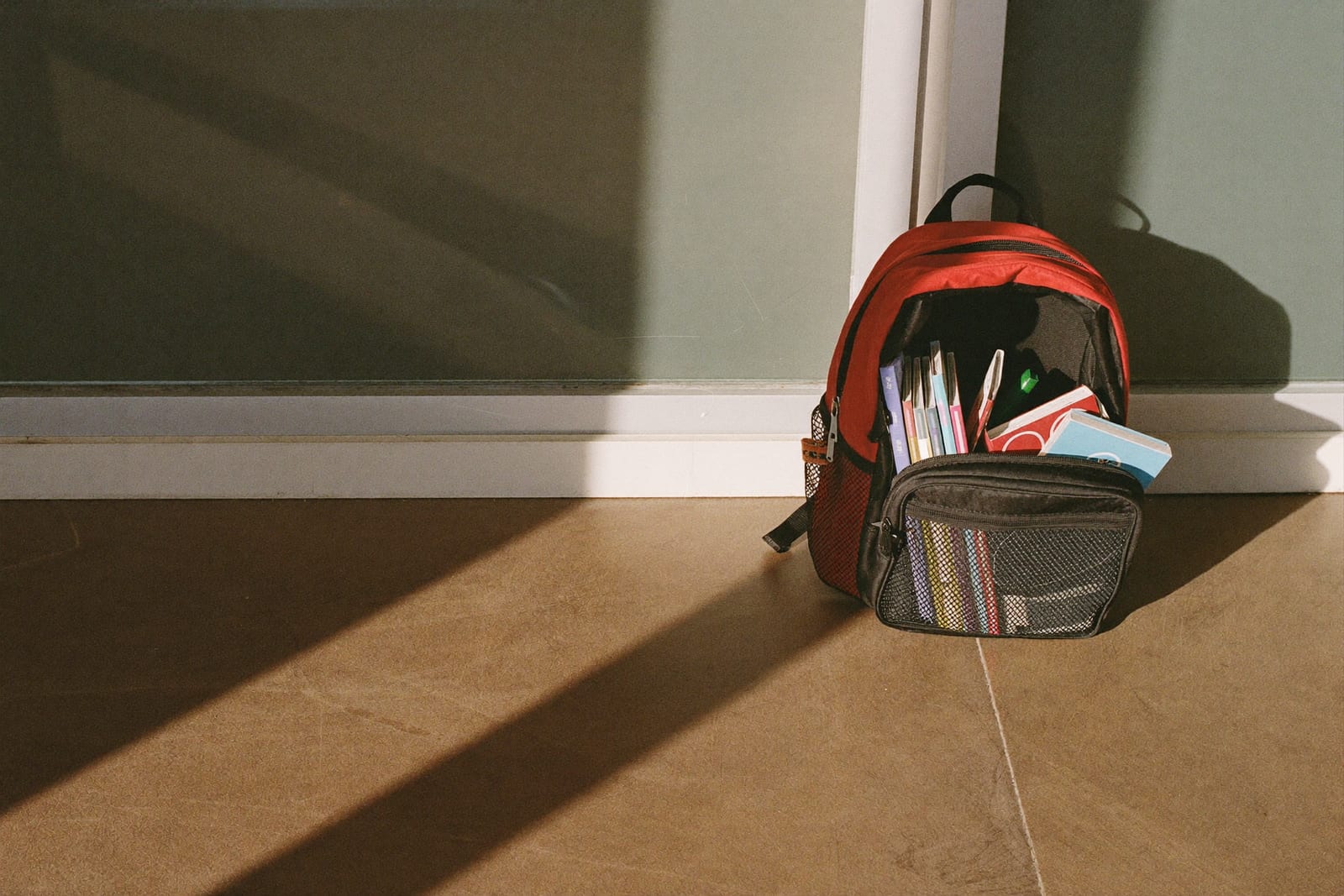
Arizona schools go back in late July and early August, not after Labor Day. Every back-to-school article you will read is written for a September start, which means the advice arrives about six weeks late for us.
So the practical version: the appointments you need are the ones everyone books in the same fortnight. If your child needs a well-child visit, a sports physical, immunizations or a medication form, the time to call is June. By mid-July the slots are gone, and a form that needs a visit cannot be produced from a phone call.
The paperwork, done in one visit
Get everything at once. Most families make two or three separate trips for things that fit in a single appointment.
Ask for all of it when you book:
- The well-child visit itself, if one is due
- A sports physical, if they are playing anything. Often the same visit — say so when you call
- Immunizations, including anything outstanding. Schools ask for the record at enrolment and the state publishes what is required
- The immunization record itself, in the form the school wants
- An asthma action plan for the school nurse, if your child has asthma. This is the single most-forgotten item and it matters most — a school cannot give a reliever without one
- An allergy action plan and medication authorisation, including for adrenaline auto-injectors
- Any medication authorisation for something taken during the school day
- A diabetes management plan, if relevant
Two spare auto-injectors and a spare inhaler, in date, are worth sorting in June too. Check the dates now rather than in October.
Sleep, which is the actual back-to-school problem
Summer here inverts the household schedule — late nights because the evenings are the only bearable time outdoors, late mornings because there is no reason to get up. Then school starts and a child is expected to be awake and functioning at 7am.
Start shifting it two weeks out, by 15 to 30 minutes every few days. Move the wake time first — that is what drags the bedtime with it. Trying to fix the bedtime alone does not work.
Get light into them in the morning from the first day of the shift. It resets the clock better than anything done in the evening.
Teenagers are the hard case, and it is not only phones: puberty genuinely pushes the body clock later, so a teenager who cannot sleep at 10pm is not being difficult. Get the phone charging outside the bedroom, which works far better as a household rule that includes the adults. Our children’s sleep page has the hours by age, and the reminder that a tired child looks like a badly behaved one.
The Arizona heat part, which is the real difference
The first month of school here is the hottest part of the year. That is genuinely unusual and it changes what matters.
Water bottle, every single day. Filled and refilled. Dehydration presents as headache, tiredness and poor concentration long before anyone feels thirsty — and it gets recorded as a behaviour or attention problem.
Ask the school directly: can children carry water into class, is there shade at recess, what happens at pick-up, and what is the policy for outdoor sport and practice in extreme heat. Those are reasonable questions and the answers vary considerably between schools.
Sports practice in August is the genuine risk. Pre-season conditioning in Phoenix heat is where heat illness in children actually happens, and the most dangerous period is the first week or two, before a child is acclimatised. Ask the coach about heat policy, water breaks and acclimatisation. A child new to Arizona, or returning from a summer somewhere cooler, is at higher risk than the rest of the squad.
Know the difference between hot and in trouble: stopping sweating, confusion, unsteadiness, a sudden headache, or nausea are stop now signs. Our heat safety page covers where the line is, and it is the page most worth reading before August.
Sunscreen, a hat, and sunglasses. Walking to school, waiting at pick-up, and recess add up to real exposure. Send sunscreen and ask whether they are allowed to apply it — some schools treat it as a medication, which surprises everyone.
And the car. A car park in August reaches temperatures that burn skin on contact. Check buckles and seat surfaces with your own hand before a child gets in, and never leave a child in a parked car for any length of time. Our car seat page covers both.
The illness bit, briefly
Expect a run of colds in the first six weeks. New classroom, new viruses, and it is normal rather than a sign of anything. A preschooler getting six to eight colds a year is doing exactly what they should.
Handwashing, and staying home while feverish — fever-free for a full day without medicine before going back.
Get the flu shot in September or October, which covers our whole season. Our immune system page covers what genuinely helps and what is being sold to you.
The part that is not medical, and matters as much
The first weeks are hard for reasons that are not illness. Worry about friendships, a new teacher, a new school, being behind, being noticed.
Watch for it in behaviour rather than words. Stomach aches and headaches on school mornings that clear by 10am are very often anxiety rather than illness — and that does not mean they are faking. The pain is real; the cause is not in the stomach.
Ask specific questions. “How was school” gets nothing. “Who did you sit with at lunch” gets an answer.
Come and talk to us if: a child is repeatedly unwell on school mornings and well by mid-morning, refusing to go, sleeping badly, withdrawing from things they enjoyed, or changing markedly in mood. Our children’s mental health page covers it, and you can raise it with your child’s provider for guidance or a referral.
For a child with a chronic condition, make sure the school knows and has the plan in writing. A teacher who understands why a child needs the bathroom frequently, or a snack at an odd time, is the difference between a manageable year and a miserable one.
Sources
- School Health — MedlinePlus topic page, U.S. National Library of Medicine. https://medlineplus.gov/schoolhealth.html
This page is barely cited. Source 52 is a short general summary and supports little of what is here.
A note on this article: This information is general health education and is not a substitute for a visit with a provider. If you have a concern about your health or your family’s health, call us and we will help.